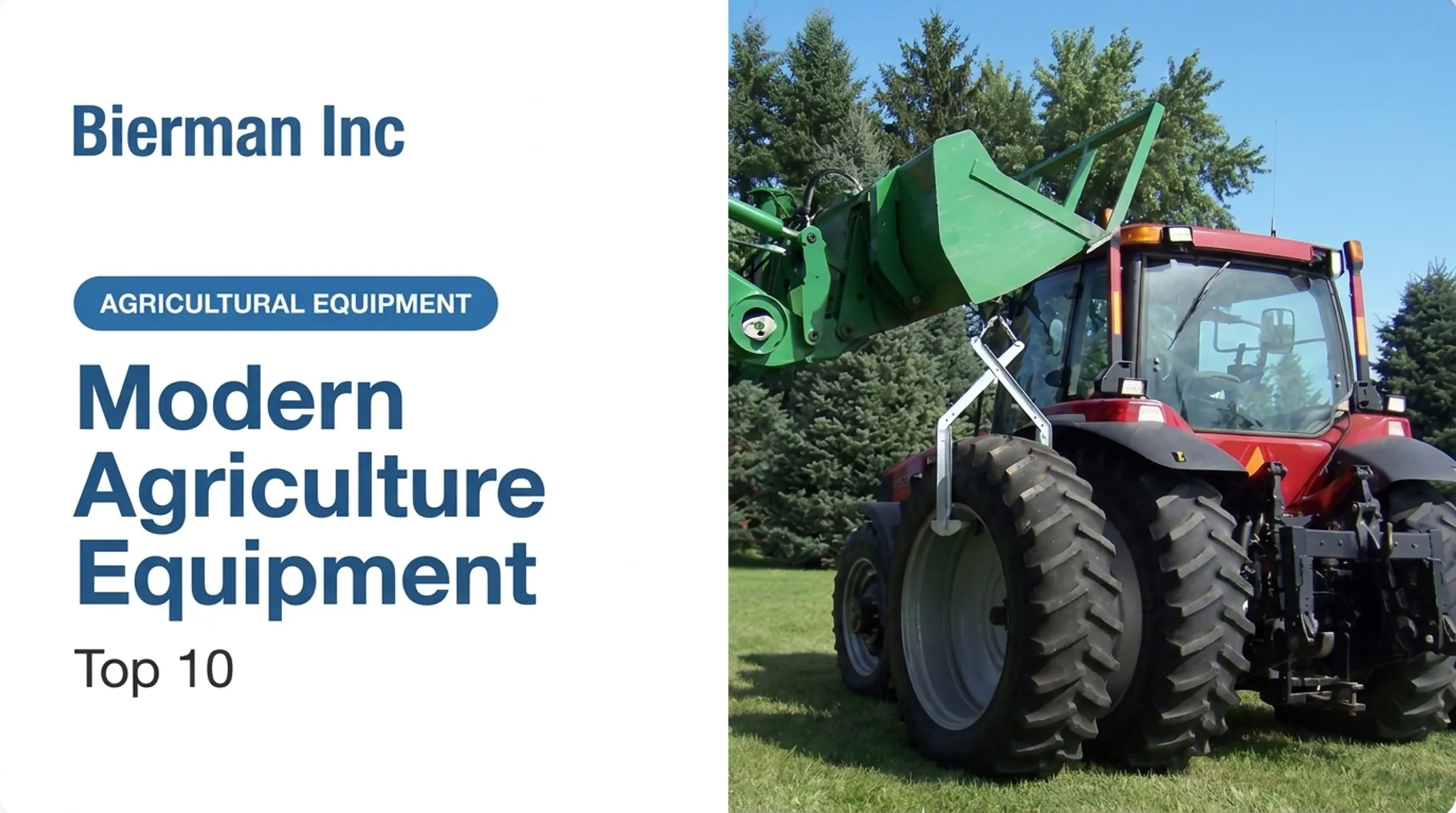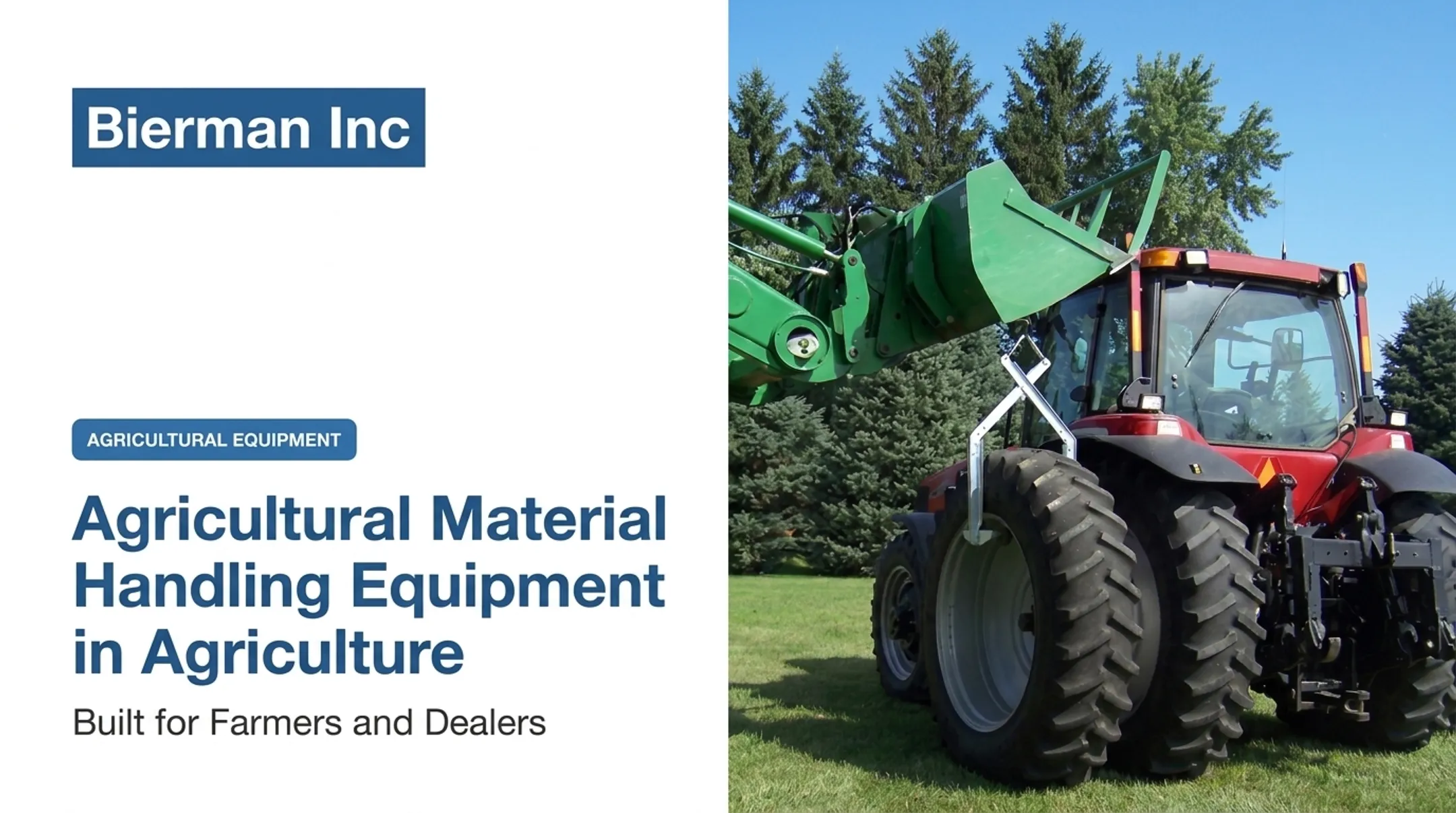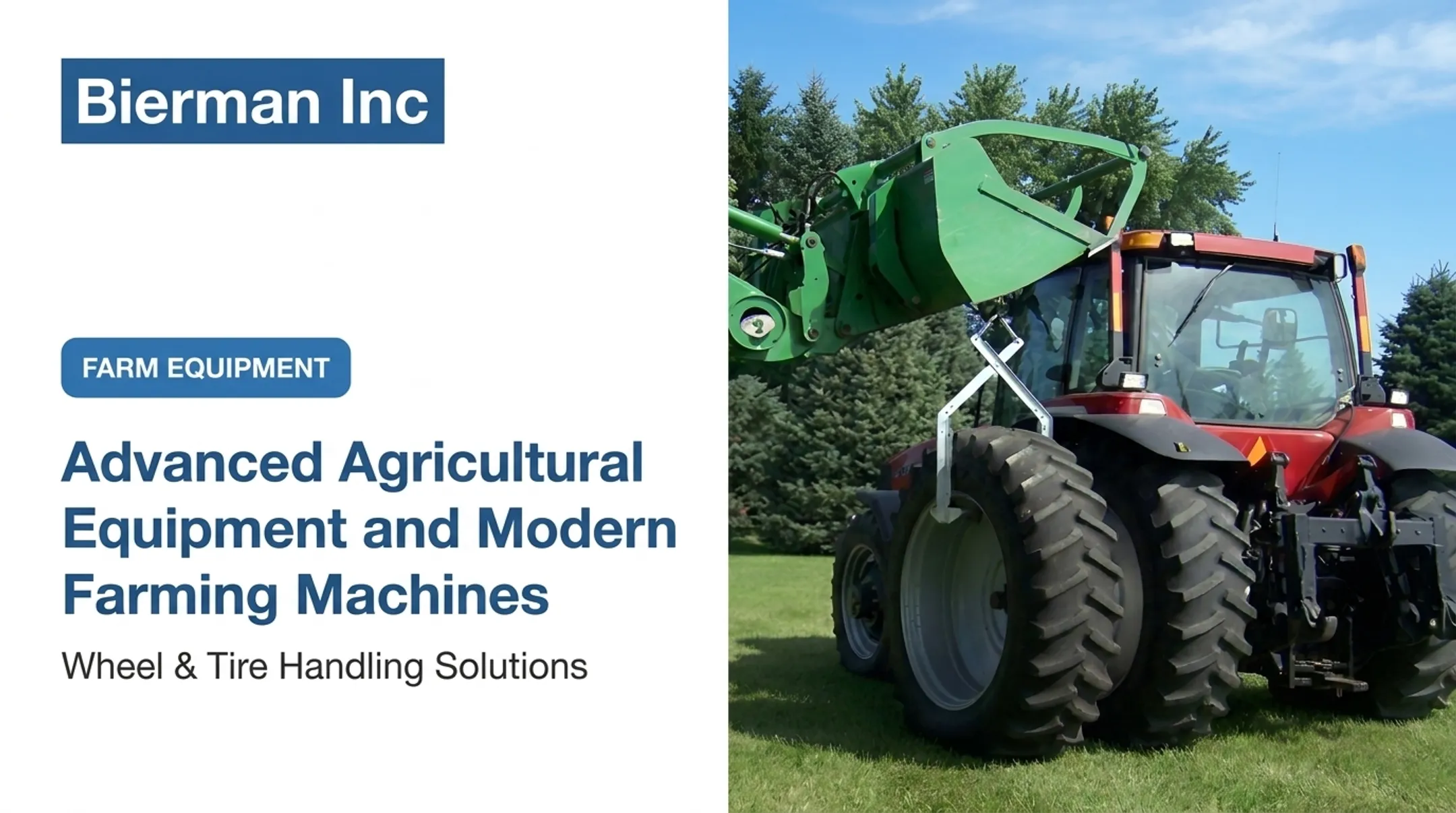

The pressure is real: labor is hard to find, input costs keep climbing, and routine jobs like changing dual tires still send workers to the emergency room every season. This guide breaks down the equipment trends worth watching, the categories reshaping day-to-day operations, and what to weigh before you buy.
Key Takeaways
- Automation, AI decision tools, and precision agriculture shape what pays off in 2025-2026 equipment buys
- Autonomous tractors and drones cut labor needs in planting, spraying, and harvesting
- Wheel and tire handling tools remain an overlooked but critical safety upgrade
- Smart buyers weigh ROI, dealer support, and ease of use before buying new machinery
Top Trends Shaping New Farm Machinery in 2025-2026
Autonomous Tractors Enter Real Field Work
John Deere's Autonomous 9RX Tractor uses 16 cameras for full 360-degree field vision, while its Autonomous 5ML Orchard Tractor adds lidar for navigating tight canopy rows. Deere points directly to skilled-labor shortages as the driving force behind these releases.
Case IH has followed a similar path, unveiling a driverless Trident 5550 applicator alongside autonomous tillage and harvest systems. The company's own messaging ties automation directly to a shrinking pool of available skilled workers.
Kubota’s MR Series, launching in Japan in 2027, adds unmanned 100/105-hp models with AI cameras, radar, and emergency stops. Kubota has no current plans to bring this specific model to US soil, but the design shows where OEM automation is headed next.

AI and Precision Tools Are Changing Daily Decisions
Variable rate technology already covers a meaningful share of US cropland. USDA data shows VRT reached 37.4% of corn planted acres and roughly a quarter of soybean acres in recent survey years. Farm-level adoption still trails what the tools can do:
- Only 27% of US farms used precision-agriculture practices as of 2023, according to a GAO report
- High upfront cost and data-ownership concerns remain the top barriers
- Interoperability between brands is still inconsistent
John Deere's See & Spray technology reports average herbicide savings of 59% across corn, soybean, and cotton fields when it targets weeds instead of blanket-spraying entire acres.
Laser weeding systems from Carbon Robotics show strong results in independent trials, with peer-reviewed data reporting over 30% greater crop biomass than standard herbicide programs.

Electric Tractors Are Still Early-Stage
Deere's E-Power line remains in prototype stage. CNH's hybrid tractor project reports fuel savings up to 16% with standard implements, but neither company has established wide commercial adoption yet.
Even so, investment across agricultural automation keeps climbing. North America's agricultural robots and mechatronics market is projected to hit $5.10 billion by 2030, a 17.2% annual growth rate. Many farmers stay skeptical until they see proven ROI on their own acres, not only manufacturer case studies.
Categories of New Agricultural Equipment Every Farm Should Know
New equipment is reshaping three jobs every operation still has to get right: planting and harvest, irrigation, and safe handling of heavy wheels and duals.
Precision Planting & Harvesting Equipment
Smart planters now adjust seeding rates on the go, responding to soil variability field-by-field. Harvest robotics, like those from Harvest CROO, target labor-intensive crops such as strawberries where hand-picking is expensive and workers are scarce.
Smart Irrigation & Soil Monitoring Tools
Variable rate irrigation (VRI) systems use electronic valves to control water output by zone. University of Georgia research points to water savings up to 15% when soil and topography vary enough across the field to make zone control worthwhile.
Soil moisture sensors, whether stationary or portable, give farmers real data instead of guesswork on when to irrigate.
Wheel, Tire & Heavy Equipment Handling Tools
Here's a category that gets far less attention than autonomous tractors, but affects nearly every row-crop farmer, dealer, and custom operator: changing large dual tires safely.
The traditional method often requires multiple people, heavy lifting, and awkward positioning around thousands of pounds of steel and rubber. One small mistake can mean:
- Emergency room visits
- Workers' compensation claims
- Fatal injuries
Bierman Inc's patented EZ Dual Changer is built for this job. One person can safely change agricultural dual tires in about five minutes, without removing tire weights first on select models.
It handles tires up to 32 inches wide and lifts up to 3,000 pounds, even when 1,500-pound weights or fluid remain inside the tire.
That capacity matters. Instead of scheduling a crew and a half-day job, one operator can complete the swap between field passes.

How to Choose the Right New Equipment for Your Operation
Before comparing brochures, get specific about your own operation:
- Assess pain points first: labor shortages, high input spend, or safety incidents during routine maintenance should drive the shortlist.
- Compare cost to long-term ROI. Wisconsin Extension recommends an operation-specific baseline—purchase price, installation, useful life, labor savings, and financing—rather than vendor projections alone; many investments pay back over 5–10 years.
- Evaluate dealer support and parts availability. A 2024 Ag Equipment Intelligence study found service quality and parts access rank among the top reasons farmers switch brands.
- Weigh safety gaps with productivity gains. Wheel and tire handling tools cut injury risk and downtime, protecting the bottom line as much as a larger planter.

Don't overlook the unglamorous buys. A $450–$880 dual tire changer may not make headlines, but it removes a dangerous task that shows up multiple times a season on most row-crop operations.
Leading Manufacturers and Where New Equipment Fits In
The major players each have a clear innovation lane:
| Manufacturer | Innovation Focus |
|---|---|
| John Deere | Autonomy, computer vision, See & Spray, electric prototypes |
| CNH (Case IH/New Holland) | Driverless application, autonomous tillage, harvest automation |
| AGCO | Retrofit autonomy systems, mixed-fleet compatibility |
| Kubota | Unmanned tractors, remote monitoring, obstacle detection |
Big manufacturers cover the large-scale, high-visibility equipment. But independent distributors fill important gaps. Bierman Inc, based in Marcus, Iowa, is an independently owned distributor of agricultural wheel- and tire-handling equipment. It markets proprietary tools such as the patented EZ Dual Changer, along with wheel dollies, sprayer jacks, and tire safety racks that support safer service work on large machines.
For dealers and farmers, combining manufacturer equipment with these specialty tools creates a more complete lineup. You get the big tractor and the shop tools that make dual and wheel service safer and faster.
Cost, Tax, and Compliance Considerations for New Equipment Buyers
Tax rules shift year to year, so confirm current numbers before purchasing:
- Section 179 deduction for 2025: Up to $2,500,000 for qualifying property, per IRS Publication 225
- 2026 limit: Rises to $2,560,000 under IRS Revenue Procedure 2025-32
- Bonus depreciation: A permanent 100% first-year deduction now applies to qualified property acquired after January 19, 2025
Attachments and implements aren't always taxed the same as the base tractor. State rules vary.
South Carolina, for example, exempts qualifying farm machinery and its replacement parts and attachments from sales tax, but excludes equipment used for other purposes. Confirm classification with your dealer or state revenue department before you sign.
Budget for training and safety equipment alongside the main purchase. A $770 tire safety rack or a dual tire changer under $900 is a small line item next to a six-figure tractor, but it's the difference between a five-minute task and a workers' comp claim.
Frequently Asked Questions
What are the latest trends in agricultural equipment?
Automation, AI-powered decision tools, precision agriculture, and sustainability lead the 2025-2026 equipment landscape. Autonomous tractors and smart spraying systems are moving from pilot programs into real farm operations.
How is technology changing farm machinery?
New equipment needs less hands-on labor, using cameras, LiDAR, and real-time data to guide planting, spraying, and irrigation decisions. This shift directly addresses skilled-labor shortages across the industry.
What should I consider before buying new farm equipment?
Weigh upfront cost against realistic ROI timelines, check dealer support and parts availability, and match equipment capacity to your actual farm size and crop type. Don't rely solely on vendor financial projections.
Are there safer ways to change tractor dual tires?
Yes. Purpose-built tools like the EZ Dual Changer let one person safely change duals in about five minutes, without needing a crew or removing tire weights first on select models.
Which companies lead agricultural machinery innovation?
John Deere, CNH (Case IH/New Holland), AGCO, and Kubota lead large-scale autonomy and precision agriculture. Bierman Inc complements that lineup with patented, task-specific tools—such as the EZ Dual Changer—for safer wheel and tire handling.
Is new farm equipment worth the investment for small farms?
Many categories scale down well, from smaller wheel dollies to entry-level EZ Dual Changer models starting around $450. Long-term labor savings and reduced injury risk often justify the cost even on smaller operations.